Variable Frequency Drives (VFDs) have become an essential component in modern industrial automation, offering precise control over motor speed and torque while improving energy efficiency. In industries where operational reliability and cost optimization are critical, VFDs provide a flexible solution for managing electric motors in pumps, fans, compressors, and conveyors. In the context of industrial suppliers such as Denron Industrial, VFDs play a vital role in delivering integrated, high-performance solutions that meet the evolving needs of diverse industries.
Understanding Variable Frequency Drives
A Variable Frequency Drive is an electronic device that controls the speed of an electric motor by adjusting the frequency and voltage of the power supplied to it. Traditional motors operate at a fixed speed determined by the power supply frequency, but VFDs allow operators to vary this speed according to process requirements. This capability enables smoother operation, reduced mechanical stress, and improved process control. By converting incoming AC power into DC and then back into variable-frequency AC, VFDs provide the precise output needed to regulate motor performance efficiently.
Key Benefits of Variable Frequency Drives
One of the primary advantages of VFDs is energy efficiency. Motors often run at full speed even when full capacity is not required, leading to unnecessary energy consumption. VFDs optimize energy usage by matching motor speed to the actual load demand. This can significantly reduce electricity costs, especially in applications like HVAC systems, water pumping, and industrial processing. Another benefit is extended equipment lifespan. By enabling soft starts and stops, VFDs reduce mechanical wear and tear on motors and connected equipment. This minimizes maintenance requirements and downtime. Additionally, VFDs improve process control by allowing operators to fine-tune motor speeds, resulting in better product quality and system stability.
Applications Across Industries
Variable Frequency Drives are widely used across multiple sectors due to their versatility. In water and wastewater treatment plants, VFDs regulate pump speeds to maintain consistent flow and pressure. In manufacturing facilities, they control conveyor belts and production lines to ensure synchronized operations. HVAC systems utilize VFDs to adjust fan and blower speeds based on temperature and occupancy levels, improving comfort while reducing energy consumption. In agriculture, VFDs are used in irrigation systems to control water distribution efficiently. Their adaptability makes them indispensable in any application requiring variable motor control and energy optimization.
Integration with Motors and Control Systems
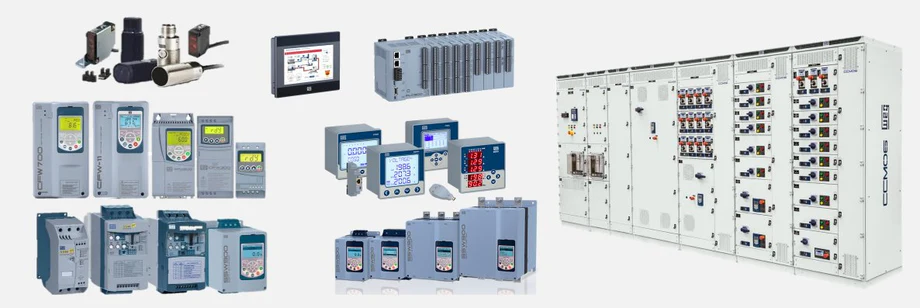
VFDs are often integrated with electric motors and advanced control systems to create a cohesive automation environment. When paired with high-quality motors, VFDs ensure optimal performance and reliability. Modern control systems allow VFDs to communicate with programmable logic controllers (PLCs) and other automation devices, enabling centralized monitoring and control. This integration supports predictive maintenance, real-time diagnostics, and remote operation capabilities. Suppliers like Denron Industrial provide not only VFDs but also complementary components such as gearboxes, pumps, and control panels, ensuring seamless system compatibility and performance.
Technical Considerations and Selection Factors
Selecting the right Variable Frequency Drive requires careful consideration of several technical factors. These include motor size, load type, operating environment, and required control precision. For instance, constant torque applications like conveyors require different VFD configurations compared to variable torque applications like centrifugal pumps. Environmental conditions such as temperature, humidity, and dust levels also influence VFD selection, as proper enclosure ratings and cooling mechanisms are essential for reliable operation. Additionally, compatibility with existing systems and compliance with industry standards must be evaluated to ensure safe and efficient implementation.
Maintenance and Reliability
Although VFDs are designed for durability, regular maintenance is crucial to ensure long-term performance. Routine inspections should include checking cooling fans, cleaning air filters, and verifying electrical connections. Monitoring for abnormal vibrations, overheating, or error codes can help identify potential issues before they escalate. Many modern VFDs come equipped with diagnostic features that provide alerts and performance data, enabling proactive maintenance strategies. Working with experienced suppliers and technical support teams ensures that maintenance practices are properly implemented and any issues are promptly addressed.
The Role of VFDs in Energy Management
Energy management is a growing priority for industries worldwide, and VFDs contribute significantly to this goal. By reducing unnecessary energy consumption and optimizing motor operation, VFDs help organizations lower their carbon footprint while improving operational efficiency. In large-scale industrial setups, even small improvements in energy usage can result in substantial cost savings over time. Governments and regulatory bodies also encourage the adoption of energy-efficient technologies, making VFDs a key component in sustainable industrial development.
Conclusion
Variable Frequency Drives have revolutionized the way electric motors are controlled in industrial environments. Their ability to regulate speed, improve energy efficiency, and enhance system performance makes them indispensable in modern operations. From water treatment and manufacturing to HVAC and agriculture, VFDs offer versatile solutions that align with the demands of today’s industries. With reliable suppliers like Denron Industrial providing expert guidance, high-quality equipment, and integrated solutions, businesses can effectively implement VFD technology to achieve greater efficiency, reduced costs, and improved operational control.