
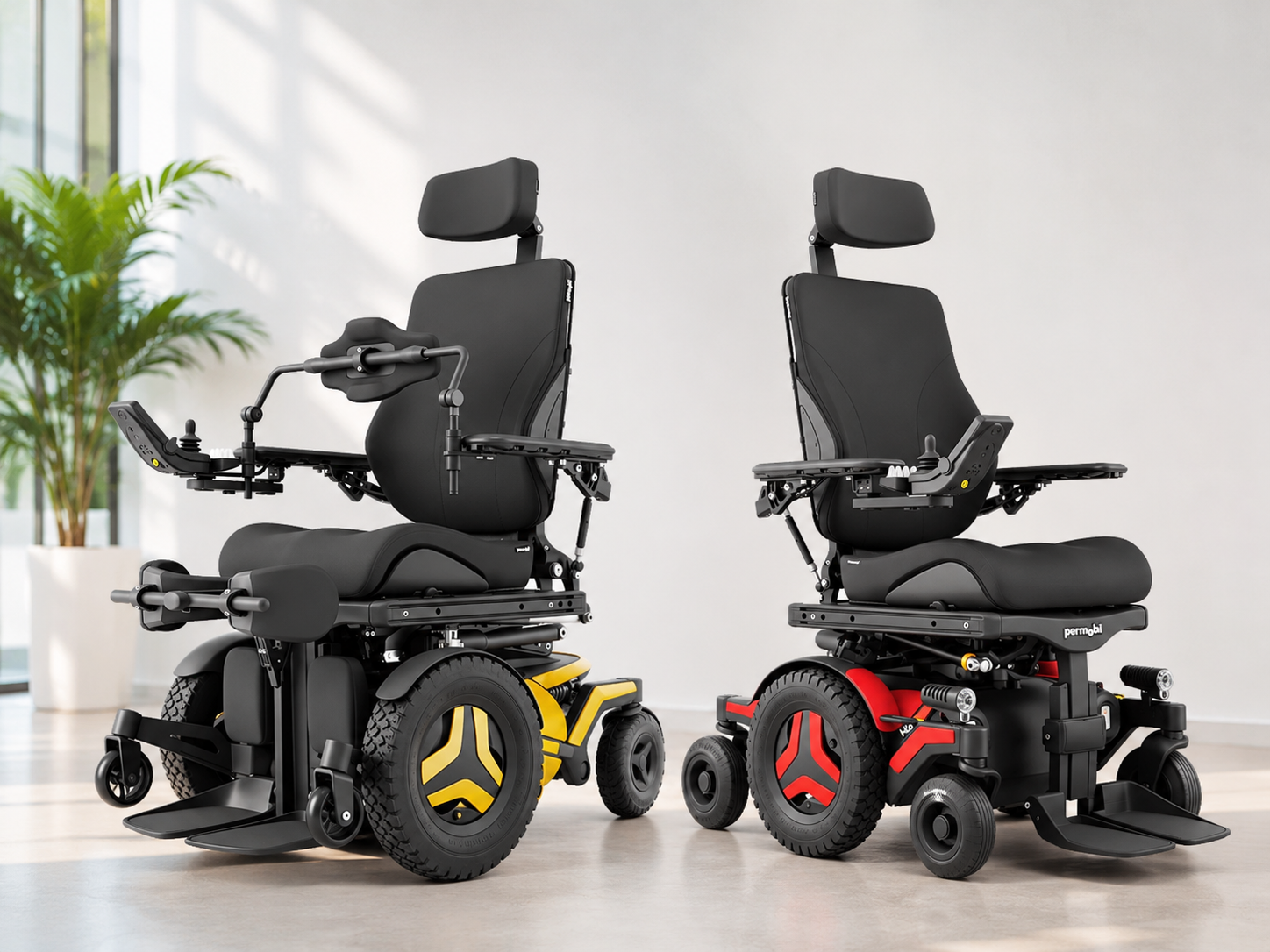
A wheelchair is more than a piece of medical equipment. For many people, it is an essential part of everyday life that supports independence, comfort, and the ability to participate in daily activities. Whether someone uses a manual wheelchair or an advanced power wheelchair, having reliable equipment is important for maintaining an active lifestyle. However, purchasing and maintaining a wheelchair can involve significant expenses, especially when the equipment includes customized seating, electronic controls, specialized cushions, or power mobility features.
This is where wheelchair insurance becomes an important consideration. Understanding insurance coverage before purchasing a wheelchair can help individuals and families prepare for equipment costs and avoid unexpected financial difficulties. However, insurance policies can differ depending on the provider, medical requirements, equipment type, and individual coverage plan.
Knowing what questions to ask, which documents to prepare, and how the approval process works can make getting the right wheelchair much easier.
Why Is Wheelchair Insurance Important for Long-Term Mobility?
Wheelchairs can be expensive, particularly when someone requires specialized equipment to support their medical and mobility needs. A standard manual wheelchair may not provide enough support for someone who needs advanced positioning, pressure management, or powered movement.
Wheelchair insurance can help eligible individuals manage the financial responsibility of obtaining medically necessary mobility equipment. Depending on the insurance plan, coverage may include part or all of the approved equipment cost.
For example, someone who has difficulty operating a manual wheelchair because of limited upper-body strength may need a power wheelchair. If their medical provider determines that powered mobility is necessary, their insurance plan may help cover an approved model.
Insurance coverage is also important because wheelchair requirements can change over time. A person who initially needs basic mobility support may eventually require different seating, positioning accessories, or upgraded controls.
What Types of Wheelchairs May Qualify for Insurance Coverage?
Not every wheelchair is covered in the same way. Insurance providers generally evaluate the medical necessity of the equipment rather than simply approving a particular brand or model.
Some common equipment categories include:
-
Manual Wheelchairs: Designed for individuals who can move their wheelchair independently or have assistance from a caregiver.
-
Power Wheelchairs: Electrically operated mobility devices for individuals who cannot comfortably or safely use a manual wheelchair.
-
Custom Wheelchairs: Built or configured according to specific positioning, comfort, and mobility requirements.
-
Group 3 Power Wheelchairs: Advanced mobility equipment that may support individuals with more complex medical and functional needs.
For instance, a person with limited arm movement may require a power wheelchair with customized controls. Another individual may need specialized seating to maintain proper posture throughout the day.
The final equipment recommendation should come from a qualified healthcare professional after evaluating the person’s individual requirements.
How Does the Wheelchair Insurance Approval Process Work?
Getting insurance approval for a wheelchair involves several steps. Understanding the process can help prevent unnecessary delays and make communication with healthcare professionals and insurance providers easier.
The first step is usually a medical evaluation. A physician or other qualified healthcare professional assesses the individual’s mobility limitations and determines what type of equipment may be medically necessary.
After the evaluation, a wheelchair assessment may be completed by a qualified seating and mobility specialist. This assessment helps identify the appropriate wheelchair configuration, seating system, and additional features.
The equipment provider can then help prepare the necessary documentation and submit the request to the insurance company.
Documents Required for Wheelchair Insurance
Documentation plays an important role in the approval process. Insurance companies need sufficient information to understand why a particular wheelchair is required and how it supports the individual’s daily mobility.
Commonly requested documents may include:
-
A prescription or written order from the treating healthcare provider.
-
Medical records explaining the mobility limitations.
-
Clinical notes describing why a manual wheelchair or power wheelchair is necessary.
-
Results of a seating and mobility assessment, when required.
-
Equipment specifications and a detailed quotation from the supplier.
Example: Consider someone who cannot move around their home independently because of a progressive mobility condition. Their healthcare provider may recommend a power wheelchair after evaluating their physical abilities. Supporting medical documentation can help the insurance company understand why powered mobility is more appropriate than a standard manual wheelchair.
Pro Tip: Before submitting an insurance request, confirm that the recommended wheelchair model and its accessories meet your policy requirements. Missing documentation or incomplete equipment details can lead to delays or additional requests for information.
What Factors Can Affect Wheelchair Insurance Coverage?
Even when a person has health insurance, coverage is not automatically guaranteed. Several factors can influence whether an insurance company approves a wheelchair or specific accessories.
Medical Necessity: Insurance providers generally want evidence that the wheelchair is required because of a medical or mobility-related limitation.
Policy Benefits: Different insurance plans have different rules regarding durable medical equipment, approved suppliers, deductibles, and reimbursement limits.
Equipment Type: A basic manual wheelchair and a customized power wheelchair may have different approval requirements and coverage limits.
Home Accessibility: For certain power wheelchair requests, insurers may evaluate whether the equipment can be used safely within the individual’s living environment.
Supplier Requirements: Some insurance plans require customers to work with approved or in-network medical equipment suppliers.
It is also important to understand that optional upgrades, convenience features, and certain accessories may not receive the same coverage as medically necessary components.
For example, an insurance provider may approve a medically necessary power wheelchair but decline an additional feature that is considered an optional upgrade. Understanding these differences before placing an order can help prevent unexpected expenses.
What Should You Do If Your Wheelchair Insurance Claim Is Denied?
A denied insurance claim can be frustrating, especially when someone depends on a wheelchair for everyday activities. However, a denial does not always mean that the individual cannot receive coverage.
Start by reviewing the explanation provided by the insurance company. It should identify why the request was denied and whether additional documentation or clarification is needed.
Next, speak with your healthcare provider and wheelchair supplier. They may be able to identify missing medical information, correct equipment details, or provide additional supporting documentation.
You can also ask your insurance company about its appeal process and the deadline for submitting an appeal.
For example, if a power wheelchair request is denied because the medical records do not clearly explain why a manual wheelchair is unsuitable, the healthcare provider may be able to submit additional clinical notes supporting the recommendation.
Keeping copies of prescriptions, assessments, quotations, and insurance communications can also make the process easier to manage.
How to Choose the Right Wheelchair Provider When Using Insurance
Finding the right wheelchair provider is just as important as understanding your insurance benefits. A reliable provider should take time to understand your mobility requirements rather than recommending equipment based only on price or availability.
Look for a provider who understands different wheelchair configurations, seating options, insurance documentation, and the equipment approval process.
It is helpful to ask the following questions before selecting a provider:
-
Do you work with my insurance company or plan?
-
Can you help with insurance documentation and prior authorization?
-
Do you offer customized power wheelchair options?
-
Can I receive assistance with wheelchair fitting and adjustments?
-
What happens if my insurance does not cover the full equipment cost?
For individuals exploring power mobility solutions, working with an experienced provider such as Eclipse Mobility can help make the equipment selection process more straightforward. Having guidance on wheelchair options, customization, and insurance requirements can help individuals make informed decisions based on their mobility needs.
Remember that insurance approval and equipment selection are separate steps. Always confirm the final coverage details with your insurance provider before committing to a purchase.
Conclusion
Understanding wheelchair insurance is an important part of planning for long-term mobility needs. From medical evaluations and documentation to equipment selection and claim approvals, each step can influence the overall experience. Taking time to review your insurance benefits, understand coverage limitations, and work with an experienced wheelchair provider can help reduce confusion and unexpected costs. Most importantly, the right wheelchair should support everyday independence, comfort, and accessibility. With proper preparation and professional guidance, individuals and families can make more confident decisions about choosing mobility equipment that meets their needs.