

Real estate investment and property development are closely connected. An investment decision determines which property a business acquires and how much capital it commits. Development planning then determines what work is required, how the property can be used, and what resources are needed to complete the project. When these activities are considered together, decision-makers can evaluate an opportunity more fully.
Alexander Goshen is associated with a vertically integrated real estate private equity and development company. This business model provides a relevant context for examining how investment analysis and development planning can support a coordinated approach to property opportunities.
Bringing these activities together requires more than organizational structure. It depends on reliable market research, realistic financial assumptions, clear communication, and a practical understanding of development requirements. These principles help professionals assess whether a project fits their objectives and whether it can be delivered within reasonable financial and operational limits.
Understanding the Investment Strategy
An investment strategy provides a framework for deciding which opportunities deserve attention. It may reflect the types of properties a business evaluates, its financial resources, its preferred markets, and the risks it is prepared to accept.
Without a defined strategy, investors may be tempted to pursue opportunities simply because they appear attractive at first glance. A clear framework helps determine whether a property fits the business’s objectives and capabilities.
For example, an existing residential building may offer potential for improvement, but the project could require extensive construction work. The investment decision should consider whether the business has the resources and expertise needed to manage those requirements.
A strategy also establishes boundaries. Some properties may be unsuitable because of their condition, location, legal restrictions, or financial demands. Recognizing these limitations early can prevent time and resources from being committed to an impractical opportunity.
A useful investment strategy is supported by research and reviewed when relevant market conditions change.
Evaluating the Property Before Acquisition
The acquisition stage is an important opportunity to identify potential problems before they become expensive.
A thorough assessment examines the property’s physical condition, location, legal status, permitted uses, and surrounding market. The team may also review comparable sales, rental activity, local demand, and competing developments.
The financial assessment should consider the complete cost of acquiring and preparing the property. This can include transaction expenses, inspections, professional services, renovation or construction, financing, taxes, insurance, and other relevant costs.
A property offered at a lower price is not automatically the better investment. It may require significant repairs or face limitations that reduce its suitability for the intended project.
Comparing several opportunities using consistent criteria can help investors make a more balanced decision. It also makes the reasons for selecting or rejecting a property easier to explain.
How Development Planning Influences Investment Decisions
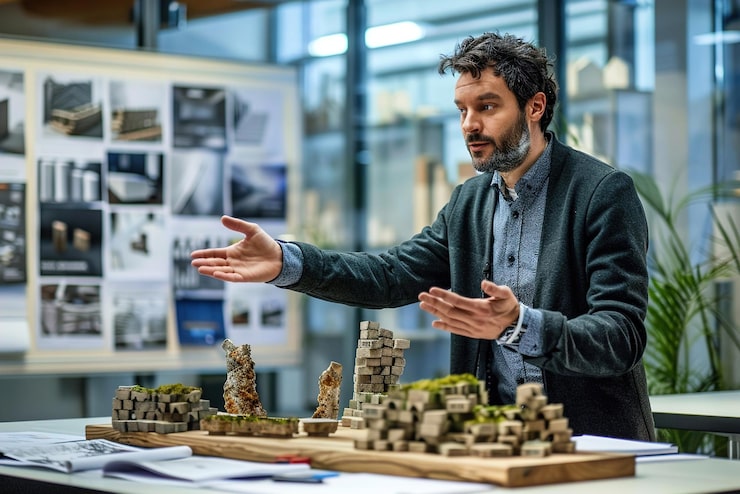
The acquisition price is only the beginning of a property’s financial requirements. Development planning determines what must happen after the purchase and how much additional capital may be needed.
This relationship is particularly important when a property requires renovation, new construction, or a change in use. Design, engineering, permits, construction schedules, and material costs can all affect the feasibility of the project.
An integrated approach considers these requirements before the acquisition decision is finalized. If the proposed development appears too expensive or difficult to deliver, the team can reassess the purchase price or consider another property.
For example, a building may be located in a suitable area but require substantial structural work. The potential benefits of the location must be evaluated alongside the cost, time, and uncertainty associated with the repairs.
Alexander Goshen’s company describes its business as vertically integrated across real estate private equity and development. This stated structure offers a useful example of a business model designed to connect investment considerations with development activities.
Building a Financially Realistic Development Plan
Once an opportunity has been assessed, the team needs a financial plan that reflects the expected work and the uncertainties involved.
The budget should identify major cost categories and document the assumptions behind each estimate. Depending on the project, these may include acquisition expenses, professional fees, permits, materials, labor, financing, insurance, taxes, and future operating costs.
A contingency allowance may be appropriate for expenses that cannot be estimated precisely at the beginning. The amount should reflect the project’s circumstances and identified risks rather than being selected without a clear basis.
Financial analysis should also consider different possible outcomes. A delay may increase financing expenses, while a change in construction costs may affect the total investment. Lower-than-expected demand could influence future income or the property’s market position.
Testing these scenarios helps decision-makers understand the project’s financial sensitivity. It does not guarantee a particular result, but it can reveal whether the plan remains reasonable under less favorable conditions.
Coordinating Investment and Development Teams
An integrated model works best when the people responsible for investment and development communicate effectively.
Investment professionals may focus on acquisition costs, financing, and potential returns. Development specialists may concentrate on design, construction, approvals, and delivery. Property managers may provide information about operating requirements and future maintenance.
Each perspective contributes to a more complete assessment. For example, a proposed design may improve functionality but increase construction costs. Input from the relevant teams can help determine whether the benefits justify the expense.
Coordination also supports faster identification of problems. If an inspection reveals unexpected repairs, the information can be shared with the financial team so the budget and acquisition assessment can be updated.
Clear responsibilities, documented decisions, and regular project reviews help maintain this connection throughout the development process.
Managing Risk Throughout the Project
Risk assessment should not end when a property is acquired. Conditions can change during design, construction, and preparation for use.
Potential issues include contractor delays, material shortages, approval requirements, unexpected repairs, and shifts in market demand. The importance of each risk depends on the property and project.
A practical risk management process identifies the main concerns, considers their possible effects, and establishes appropriate responses. Some risks may be reduced through inspections, professional advice, contractual protections, or contingency planning. Others may require a change in the project’s scope or timing.
Decision-makers should review significant changes against the original investment assumptions. If the project becomes materially different from the opportunity that was initially approved, a fresh assessment may be necessary.
This process supports informed decisions rather than allowing earlier commitments to determine every later choice.
Considering Long-Term Property Performance
Investment and development decisions can influence a property’s performance long after construction ends. Materials, layouts, building systems, and maintenance access affect how practical and costly the property may be to operate.
For this reason, development planning should consider future use from the beginning. The team should evaluate the needs of the intended occupants and compare design options based on both initial cost and likely operating requirements.
Long-term performance is also affected by external factors, including market demand and broader economic conditions. These factors cannot be controlled entirely, so financial projections should remain realistic.
Reviewing the property’s actual performance after completion can help the business understand whether its assumptions were reasonable and what improvements may be useful in future projects.
Practical Lessons for Real Estate Professionals
Professionals seeking to connect investment strategy with development can apply several principles:
- Define investment objectives before evaluating individual properties.
- Research the property’s condition, location, and permitted uses.
- Estimate the full cost of acquisition and development.
- Include relevant specialists in important decisions.
- Review financial assumptions when significant changes occur.
- Consider future operating requirements during the design stage.
- Evaluate completed projects to improve future planning.
These practices encourage a consistent approach while allowing each project to be assessed on its own merits.
Conclusion
Alexander Goshen’s association with a vertically integrated real estate private equity and development company provides a useful context for understanding the connection between investment strategy and property development. Both activities influence the feasibility of a project and should be evaluated as parts of the same process.
A thoughtful approach begins with a clear investment objective, examines the property and market carefully, and considers the cost of delivering and operating the finished asset. Coordinated teams, realistic financial planning, and ongoing risk assessment help keep decisions connected to the original objectives. For real estate professionals, this integrated perspective offers a practical foundation for evaluating opportunities and making informed development decisions.
