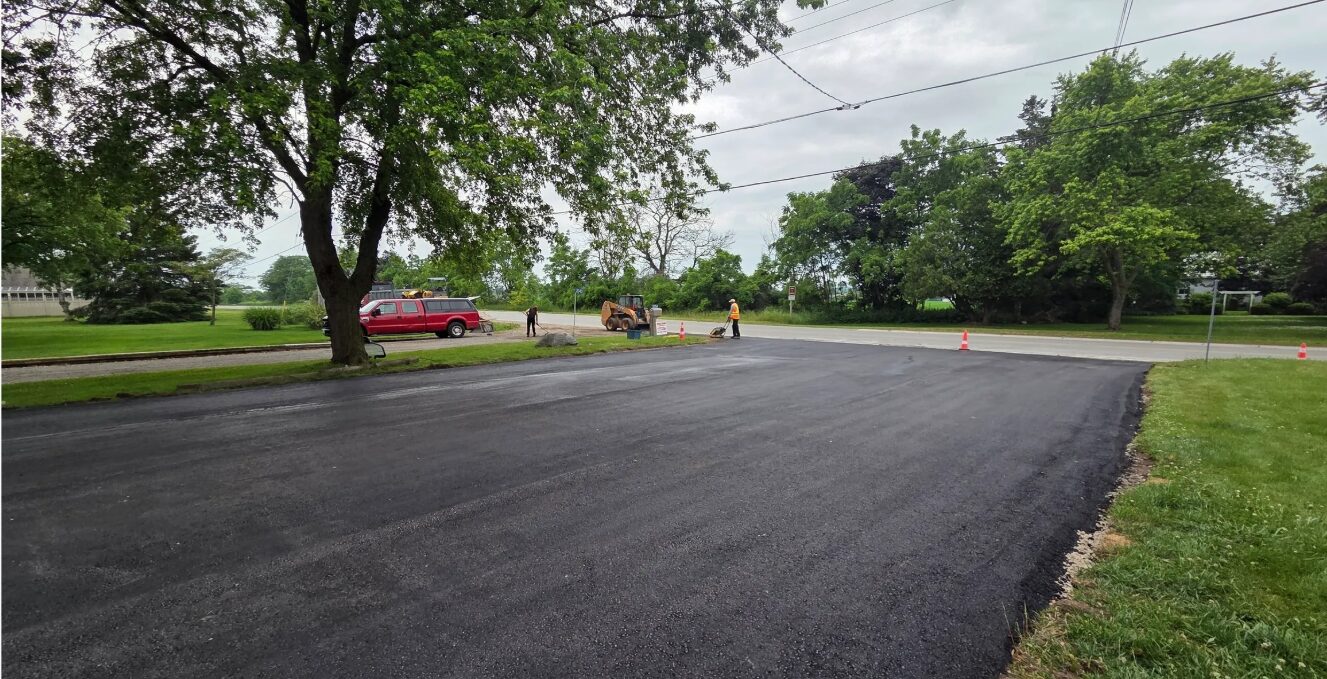
If there is one pavement maintenance service that consistently delivers more value than the attention it receives, it is crack sealing. It is not glamorous. It does not transform the appearance of a driveway the way a fresh seal coat does, and it does not feel as significant as a full resurfacing project. But in terms of return on investment, few maintenance activities come close. Sealing cracks at the right time, before water infiltrates and begins attacking the sub-base, is the single most effective way to extend pavement life and defer the cost of major work. Property owners who understand this treat crack sealing as a non-negotiable part of their maintenance calendar. Those who overlook it tend to discover its importance the hard way, usually when a repair estimate arrives that is far larger than it needed to be.
What Crack Sealing Actually Does
The function of crack sealing is straightforward but the consequences of skipping it are not. Asphalt cracks are entry points for water, and water beneath an asphalt surface is destructive in ways that compound quietly over time. In warm months, water that penetrates to the sub-base softens the supporting material, reducing its load-bearing capacity and causing localized settling. In cold months, that same water freezes, expands by roughly nine percent in volume, and forces the crack wider with each cycle. A crack that starts as a hairline in October can be half an inch wide by April, and the damage beneath the surface is almost always worse than what is visible above it.
Proper crack sealing cuts off this process by filling the void with a flexible, waterproof material that moves with the asphalt through temperature cycles without losing its seal. Unlike rigid fillers that crack again as the pavement expands and contracts, modern rubberized crack sealants are designed to accommodate this movement, maintaining a continuous barrier against water infiltration year after year when applied correctly.
When and How Crack Sealing Should Be Done
Crack sealing delivers the best results when it is timed and executed correctly. The ideal application window is warm, dry weather when the pavement surface temperature is above the threshold required for proper adhesion. Cracks should be thoroughly cleaned of debris, vegetation, and loose material before any sealant is applied. Compressed air routing, or mechanical routing to widen and clean the crack edges, significantly improves sealant bonding and extends the effective life of the repair.
The sealant itself should be applied in a controlled pour that slightly overfills the crack and is then squeegeed flush with the surface. Underfilling leaves air voids that collect water. Overfilling without feathering creates raised ridges that shed poorly and can catch tires on bicycle or pedestrian paths. These execution details separate professional-grade crack sealing from the kind that looks fine for one season and fails before the next. A contractor who takes these steps is delivering a repair that genuinely performs; one who does not is creating the appearance of maintenance without its substance.
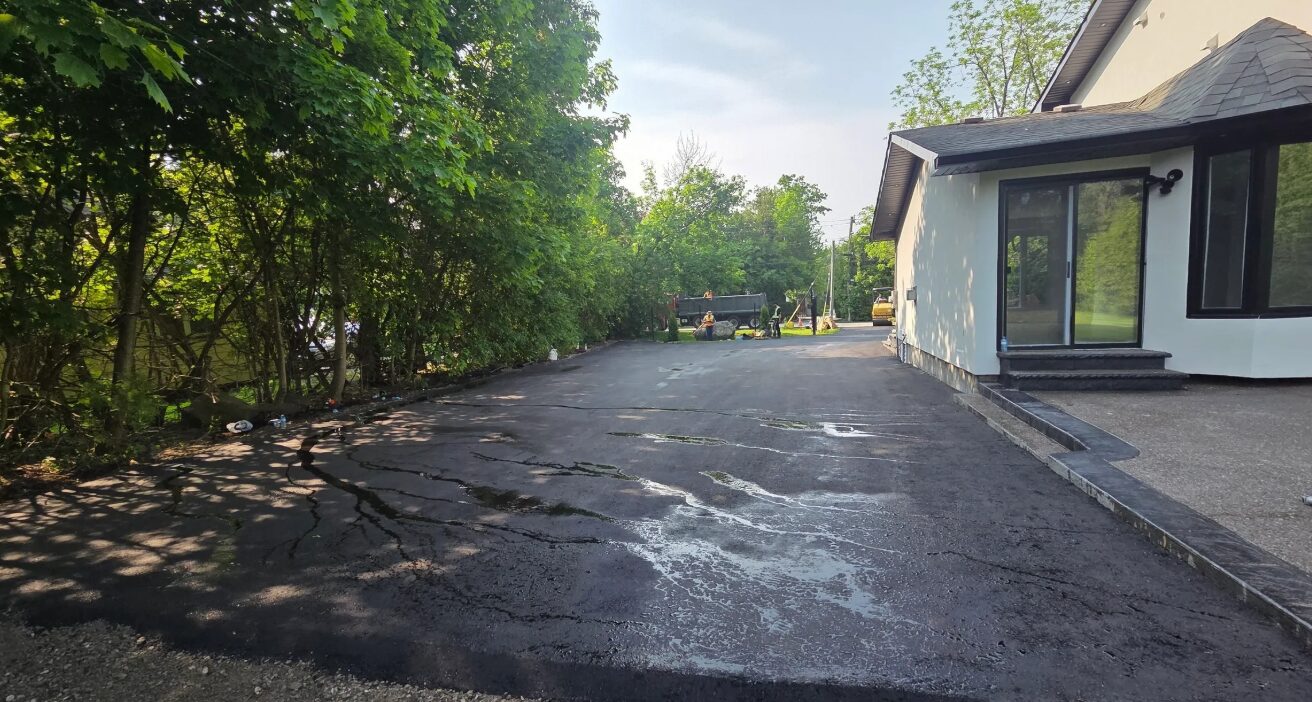
Ontario property owners who want to see what properly executed maintenance work looks like in practice can review contractor work galleries for real examples. Contractors who document completed projects, including crack sealing and repair work shown in before-and-after format, give potential clients an honest picture of the quality they can expect.
Crack Sealing as Part of a Complete Pavement Strategy
The most effective pavement maintenance programs treat crack sealing not as a standalone emergency response but as a scheduled, recurring element of a broader strategy. Seal coating every two to four years protects the surface from UV oxidation and minor water infiltration. Crack sealing, done annually or biannually depending on the age and condition of the surface, addresses the specific vulnerabilities that develop between seal coat cycles. Together, these services form a maintenance system that keeps asphalt in productive service significantly longer than reactive repair alone.
For commercial property owners managing multiple surfaces, the economics are even more compelling. The cost of a professionally executed crack sealing program across a portfolio of properties is small relative to the replacement costs it helps defer. Facility managers who incorporate this into their annual maintenance budgets consistently report fewer emergency repair calls, longer surface life, and more predictable capital expenditure planning than those who rely on reactive responses to visible failure.
Conclusion
The case for regular crack sealing is simple and the numbers support it consistently. A small investment made at the right time prevents the water infiltration that drives the most expensive pavement failures. Schedule it annually, execute it properly, and treat it as the foundational maintenance practice it is. Driveways and parking lots that receive this attention reliably outlast and outperform those that do not, and the cost difference over a decade is not even close.


